
Holiday shopping often means giving your phone number and email to more stores, signing up for discounts, and entering giveaways. That information can circulate through marketing lists and data brokers, eventually reaching scammers.
Here are practical ways to avoid holiday scams and limit how widely your personal information circulates.
1. Be selective about discounts and rewards sign-ups
A coupon, loyalty program, or first-order discount can come with requests for your phone number, email, birthday, and other details. Some sites collect information to sell to telemarketers, putting you on contact lists you never intended to join.
Skip promotions you don’t need. Leave optional fields blank and decline unnecessary marketing permissions. Use an email alias or alternate phone number for retail promotions to limit where your primary contact details circulate.
2. Check holiday giveaways before entering
Fake gift card offers, holiday sweepstakes, and prize promotions can collect personal information or trick you into paying to claim a prize. Scammers also impersonate businesses running legitimate giveaways and contact people who publicly entered.
Check the business’s official website to verify the promotion before entering. Don’t provide financial information or pay a fee to claim a supposedly free prize. Verify “you won” messages directly with the business.
3. Check the seller before sharing your information
Holiday sale ads can lead to fake stores that take your money, collect your personal and payment details, and never send what you ordered.
Go directly to a known retailer’s website to check an advertised deal. Before entering your information, search an unfamiliar seller’s name with “scam” or “complaint.” Pay by credit card when possible, and avoid sellers demanding gift cards, wire transfers, or cryptocurrency.
4. Check delivery problems directly
With more packages on the way, fake shipping messages can seem legitimate. Scammers impersonate delivery companies and ask you to update an address or pay a small redelivery fee, directing you to websites that steal your information.
Check tracking through the retailer’s or carrier’s official app or website. Don’t use links in unexpected delivery messages or reply to suspicious texts, even with “STOP.” Use your phone’s “report junk” option or forward the text to 7726 (SPAM), then block the sender.
5. Verify holiday donation requests
Fake charities use seasonal appeals to collect donations and personal or financial information. A familiar-sounding name or emotional story doesn’t establish that a fundraiser is legitimate.
Research the charity through BBB Wise Giving Alliance or CharityWatch and donate through its verified website. Provide only the information needed for the donation, and decline optional marketing or information-sharing permissions.
6. Take care when buying gift cards
Gift card fraud is another common holiday risk. Criminals can tamper with cards on store racks, steal their details, and drain the balance after purchase.
Buy directly from the retailer’s website or choose cards kept behind the counter. Check physical cards for signs of tampering and keep the receipt. If someone asks you to send gift card numbers or PINs to pay a fee or resolve a problem, stop.
7. Reduce the personal information already exposed
Changing holiday habits helps limit new exposure. Also check what’s already available through data brokers and people-search sites, including your phone number, email, home address, and family connections. You can submit opt-out requests yourself or use Optery to manage removals.
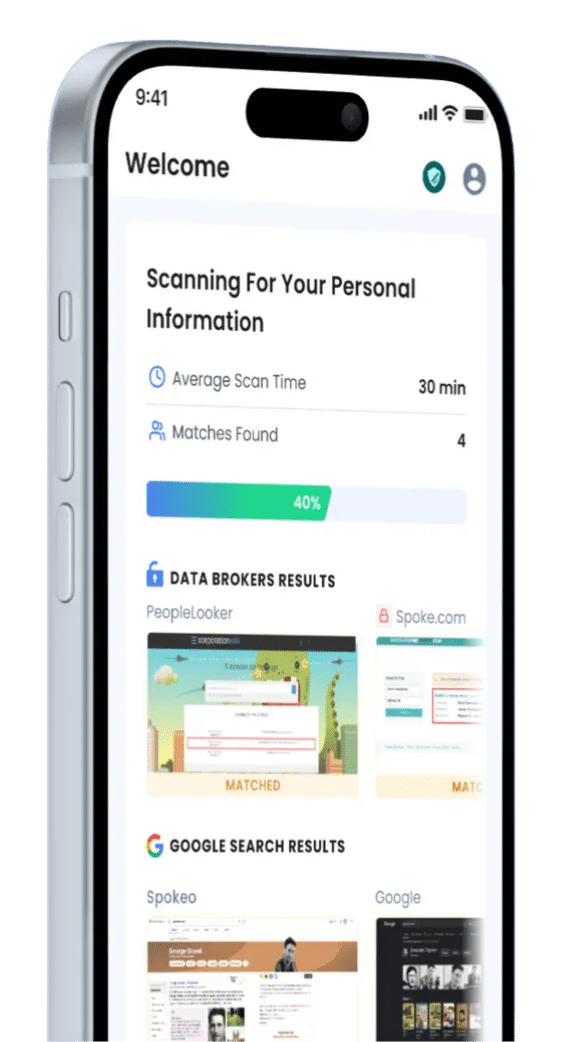
See Your Exposure
Get a free Optery scan to see where your personal information is exposed.